-
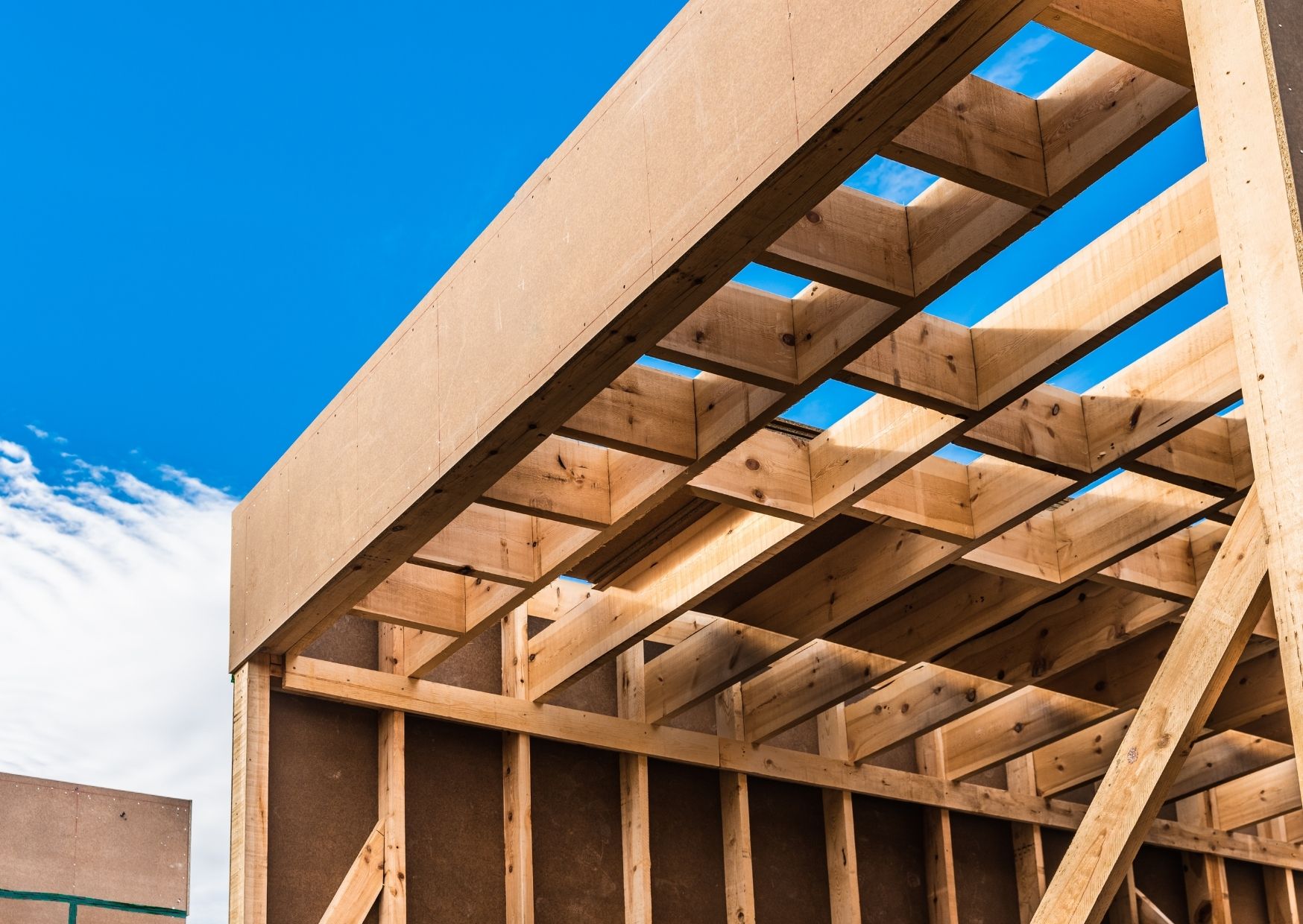
35% of energy loss in a home is due to wall insulation. Proper wall insulation can significantly reduce heating and cooling costs.
-
25–30% of heat escapes through the roof. If the roof is not adequately insulated, it can lead to additional heating expenses.
-
15–20% reduction in energy consumption can be achieved by replacing regular windows with energy-efficient ones.
-
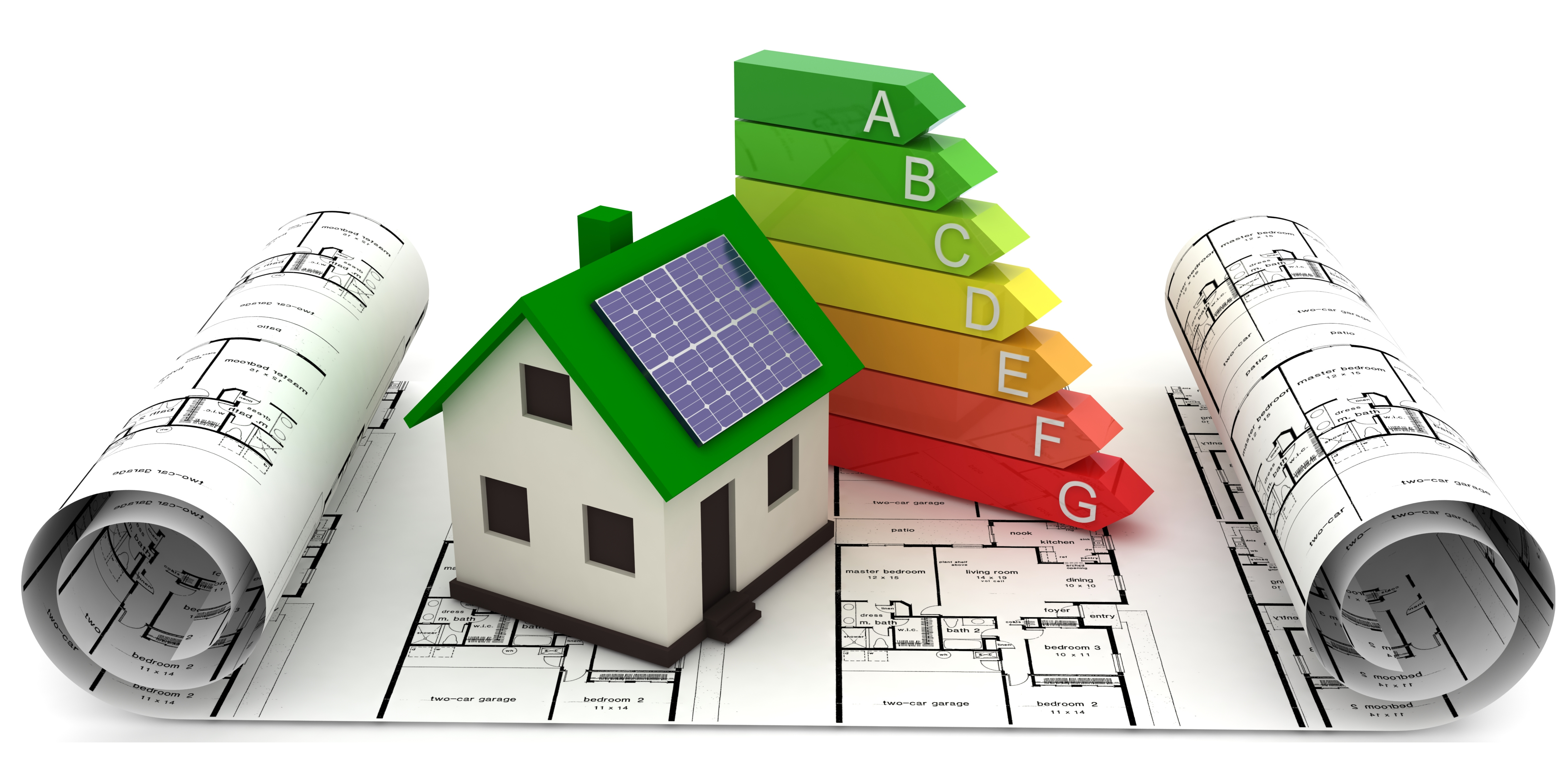
20–50% reduction in energy bills, depending on geographic location and system size, can be achieved in homes with solar panels. Their presence alone can cover 40–70% of annual energy consumption for hot water.
-
30% of energy for heating, cooling, and lighting can be saved by installing smart thermostats and lighting systems. These systems can adjust temperature and lighting based on space usage and user needs.
-
10–15% reduction in energy consumption can be achieved by installing underfloor heating systems, compared to traditional radiator systems.
-
30–50% less energy is consumed by modern air conditioning systems with inverter technology compared to traditional non-inverter systems.
-
15% savings on lighting energy consumption can be achieved with motion sensors, preventing energy waste when no one is in the room.
-
75–80% reduction in lighting energy use can be achieved by replacing traditional bulbs with LED lights. While the initial cost of LEDs is higher, their efficiency and long-term savings are significantly greater.
-
5–10% increase in a building’s value can result from energy upgrades, thanks to lower operating costs and improved quality of living.
-
Up to 30% less energy for heating and cooling can be consumed by installing green roofs (vegetated rooftops), which also improve air quality and absorb rainwater.